
Endodontics: preserving endangered teeth
Because your own natural teeth are better than any denture – root canal treatment and apicoectomy under the microscope.
When the inflammation is inside the tooth
Deep caries, cracks in the tooth, poorly fitting fillings or a broken tooth can lead to inflammation inside the tooth and later in the bone. It is caused by dead tissue or arises as a reaction to bacteria that have penetrated.
If this inflammation is not treated, it spreads to the entire dental pulp and, via the exit points of the root canal at the root tip, into the surrounding jawbone. With a root canal treatment or an apicoectomy the tooth can nevertheless be preserved in many cases.
Two ways to save a tooth
When inflammatory processes at the roots or inside the teeth put them at risk, the affected teeth can in many cases still be preserved thanks to special therapeutic procedures.
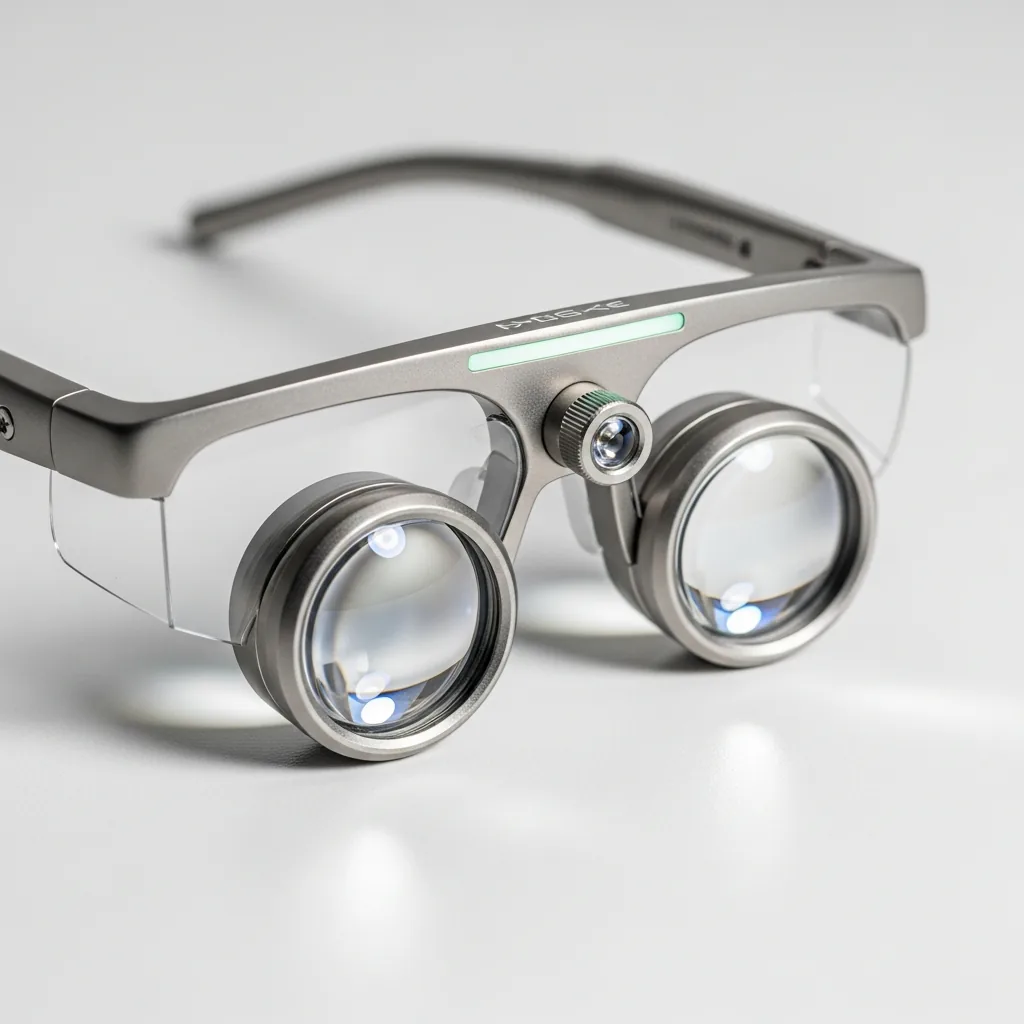
In doing so we work consistently with magnification – with loupes and a surgical microscope. Only in this way can even the finest lateral canals be found, cleaned and sealed tightly. This is the most important factor for the long-term success of a root treatment.
Root canal treatment
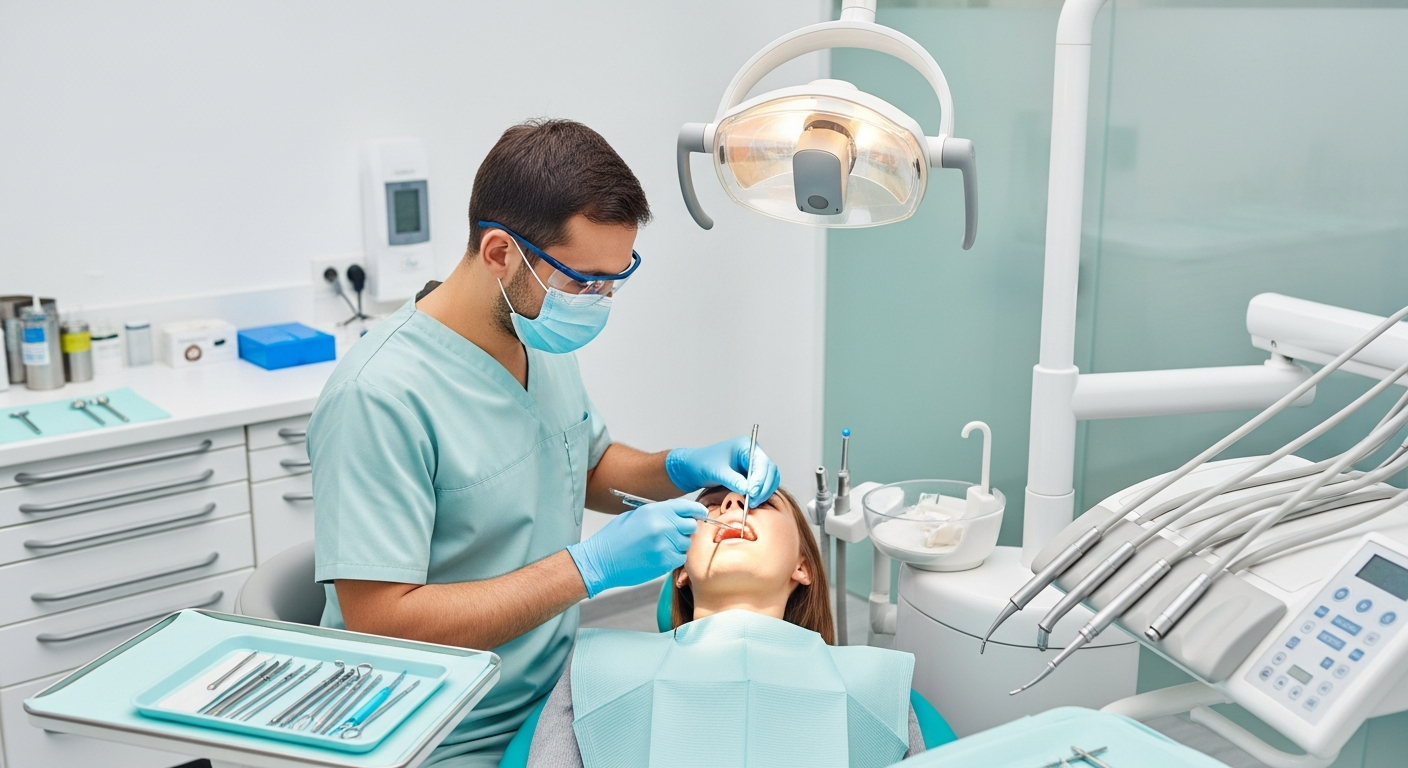
In an endodontic treatment, the dental nerve that has become diseased through caries, bacteria or inflammation is treated. A surgical microscope makes it easier for us to see inside the tooth: even the finest canals can be visualised and prepared under direct vision.
The aim of the root canal treatment is to remove bacteria and remaining nerve tissue from the canal, to clean and disinfect it and to fill the cavity and seal it tightly. For a perfect seal, gutta-percha is warmed and compacted with ultrasound.
During and after the treatment we take X-rays in order to monitor and document the course of the treatment and its success.
Apicoectomy
Even after a careful root canal treatment, inflammation can occur in the bone around the root tip. In this case an apicoectomy still offers a way of preserving the tooth.
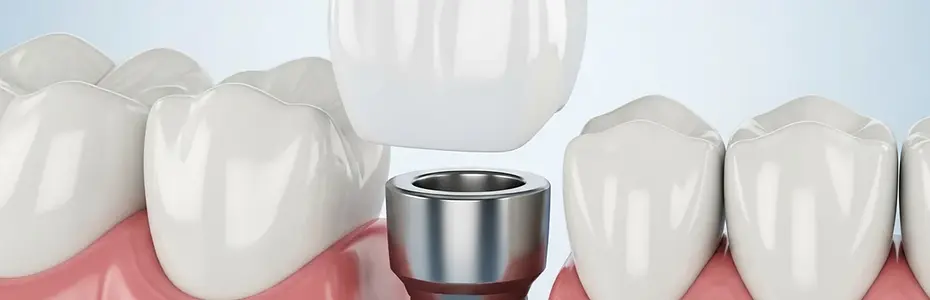
The root tip is removed and the inflamed tissue taken away. In order to find even the finest canals, we work with the microscope. If bone has been lost, the resulting deficit can be filled with bone replacement material.
After a successful apicoectomy the tooth remains stable and can be used for further prosthetic measures.
The most important points at a glance
- In a root canal treatment, inflamed or dead tissue is removed from inside the tooth.
- We work with loupes and a surgical microscope in order to visualise even fine lateral canals.
- The cleaned canal is disinfected and sealed tightly.
- If inflammation at the root tip persists, an apicoectomy can preserve the tooth.