Tooth preservation: keeping your own teeth for as long as possible

No denture is as good as a healthy tooth of your own. That is why we do everything we can to preserve your natural teeth.

Schedule Appointment069 87001850
Online AppointmentRequest online now

Conservative dentistry at Zahnzentrum Frankfurter Bogen

Tooth preservation – also known as conservative dentistry – covers, in addition to prophylaxis and professional tooth cleaning, above all filling therapy and the treatment of carious defects.

Modern, tooth-coloured filling materials made of ceramic or composite as well as today's options in root canal treatment help to preserve teeth for a very long time. If inflammatory processes at the gums, at the roots or inside the tooth put a tooth at risk, it can nevertheless be saved in many cases thanks to special therapeutic procedures.

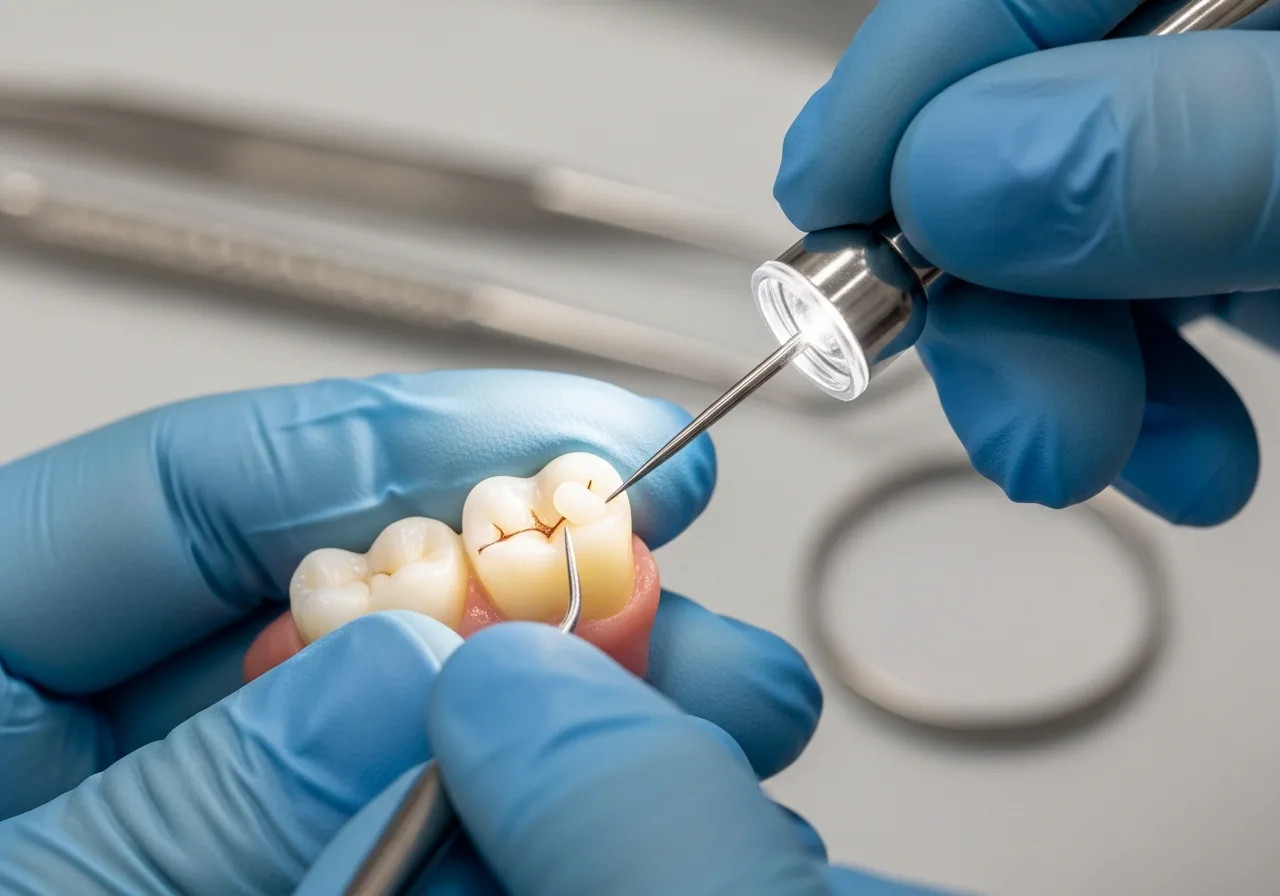
Dentist placing a tooth-coloured composite filling

Treating early – preserving substance

Preventive measures for maintaining dental health are particularly important: your own teeth should provide the right bite for as long as possible.

If an illness does occur, we offer you modern and gentle treatment options for preserving the natural teeth. Starting treatment promptly clearly improves the prospects of success – so please get in touch once too early rather than once too late.

When a tooth needs support

Three specialist fields interlock when it comes to saving an endangered tooth or preventing a gap from arising in the first place.

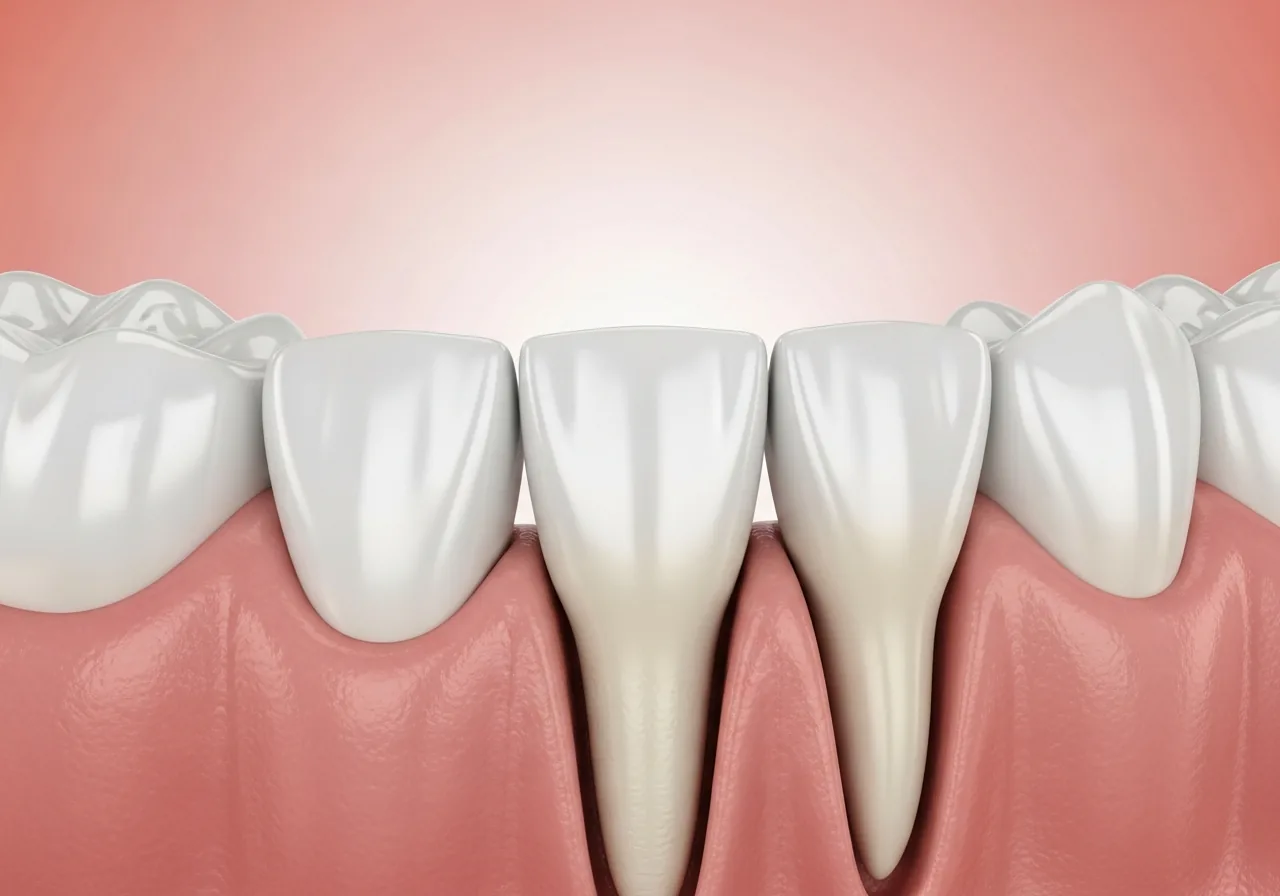
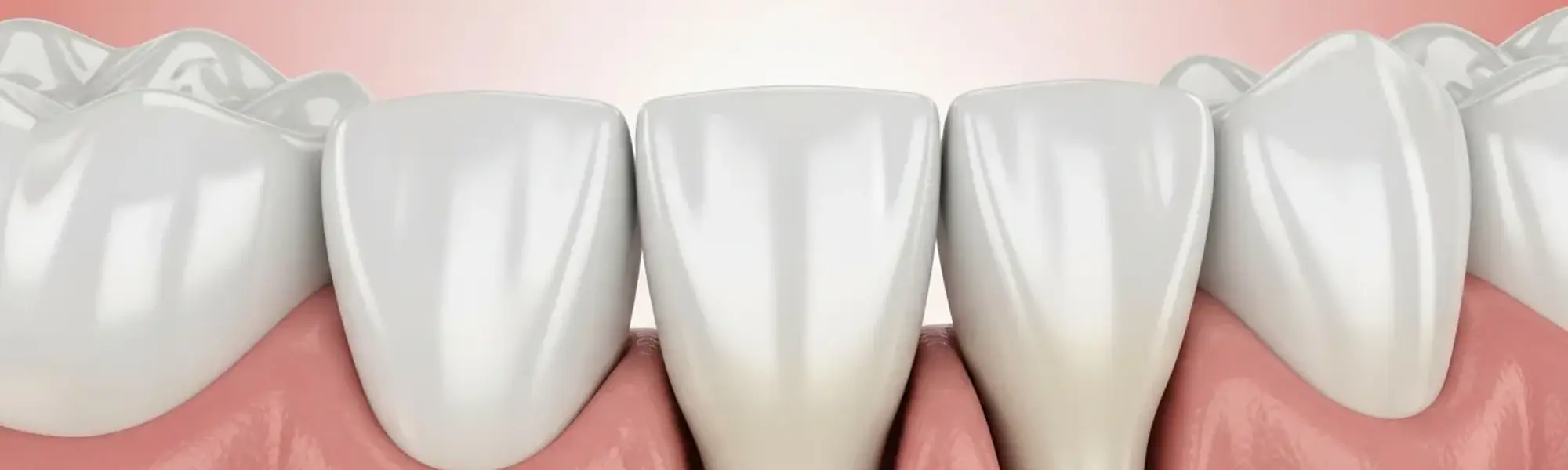
Receding gums at a front tooth

Periodontology

Effective treatment of periodontitis and gingivitis – so that the periodontium is preserved.

Further information
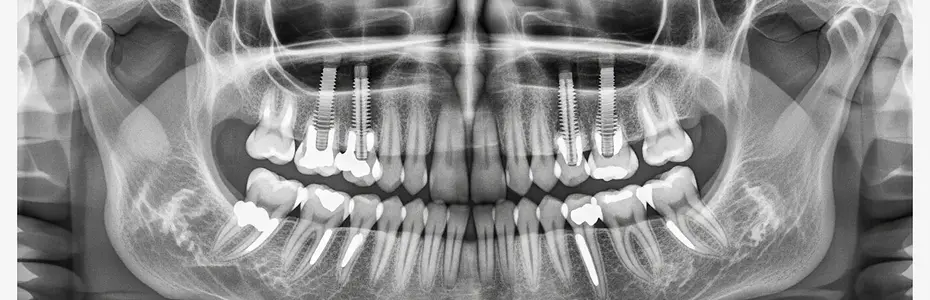
Panoramic X-ray with a marked wisdom tooth

Wisdom teeth

Tooth extraction as a routine procedure – gentle, planned and on request in twilight sedation.

Further information

The most important points at a glance

  • The aim of tooth preservation is to keep your own teeth for as long as possible.
  • This includes filling therapy, periodontology, endodontics and prophylaxis.
  • Tooth-coloured materials made of ceramic or composite replace lost substance discreetly.
  • The earlier a condition is treated, the better the prospects for the tooth.

Frequently Asked Questions

How do I notice that a tooth needs treatment?
Typical warning signs are sensitivity to cold or sweet things, a feeling of pressure when chewing, visible dark spots, chipped edges or bleeding gums. Many conditions begin without pain, however - which is why regular check-ups matter.
Is a composite filling as good as a ceramic one?
For small and medium-sized defects, modern composite fillings are a good and durable solution. For large defects a ceramic inlay made in the laboratory is usually more dimensionally stable and longer-lasting. What makes sense for your tooth is something we discuss based on the findings.
Does a root-treated tooth always need a crown?
Not always, but often: root-treated teeth are more brittle and fracture more easily. Whether a crown or a partial crown is needed depends on how much stable tooth substance is left.
Can a badly damaged tooth still be saved?
Often yes - for example with a root canal treatment, an apicoectomy or a surgical approach at the gum. But there are limits. We tell you openly when preservation has good prospects and when a different solution would make more sense.